Play Anti-Waste Arcade for Free!

Play Anti-Waste Arcade for Free!

Navigating Recent Regulations in Medical Waste Management: A Guide for Healthcare Providers

Medical waste management is subject to a complex framework of regulations designed to safeguard public health, protect the environment, and ensure compliance with legal requirements. This white paper provides healthcare providers with an overview of recent changes and updates to medical waste regulations, highlighting key considerations and implications for practice. By staying informed and adhering to regulatory requirements, healthcare providers can mitigate risks, promote safety, and uphold standards of excellence in medical waste management.

Introduction: In the dynamic landscape of healthcare, regulatory compliance is paramount, particularly in the management and disposal of medical waste. Recent changes and updates to medical waste regulations have significant implications for healthcare providers, necessitating vigilance and proactive adaptation to evolving legal requirements. This paper explores recent developments in medical waste regulations and offers insights to help healthcare providers navigate compliance challenges effectively.

Recent Regulations Impacting Medical Waste Management: Several recent regulations have reshaped the regulatory landscape of medical waste management:

  1. Environmental Protection Agency (EPA) Regulations: The EPA regulates the handling, storage, transportation, and disposal of hazardous waste, including certain categories of medical waste. Recent updates to EPA regulations have introduced stricter requirements for hazardous waste generators, emphasizing waste minimization, labeling, and tracking protocols.
  2. Occupational Safety and Health Administration (OSHA) Standards: OSHA standards govern workplace safety and health hazards, including those related to medical waste handling and exposure to bloodborne pathogens. Recent updates to OSHA standards have focused on enhancing worker protections, training requirements, and exposure control measures in healthcare settings.
  3. Health Insurance Portability and Accountability Act (HIPAA) Compliance: HIPAA regulations govern the privacy and security of protected health information (PHI) and impose requirements on healthcare providers for the secure disposal of PHI-containing materials. Recent updates to HIPAA regulations have underscored the importance of proper disposal methods and documentation to protect patient privacy and confidentiality.
  4. State and Local Regulations: Many states and local jurisdictions have enacted specific regulations governing medical waste management, including licensing, registration, and reporting requirements. Recent changes to state and local regulations may introduce new compliance obligations and enforcement measures for healthcare providers.

Key Considerations for Healthcare Providers: In light of recent regulatory changes, healthcare providers should be aware of several key considerations:

  1. Classification and Segregation: Properly classify and segregate medical waste according to regulatory definitions and guidelines, distinguishing between hazardous and non-hazardous waste streams to ensure appropriate handling and disposal.
  2. Training and Education: Provide comprehensive training and education to healthcare personnel on medical waste management practices, including proper handling, storage, labeling, and disposal procedures, to minimize risks of exposure and ensure compliance with regulatory requirements.
  3. Documentation and Recordkeeping: Maintain accurate records of medical waste generation, handling, and disposal activities, including manifests, tracking logs, and training certifications, to demonstrate compliance with regulatory standards and facilitate auditing and reporting obligations.
  4. Monitoring and Quality Assurance: Implement monitoring and quality assurance measures to assess compliance with regulatory requirements, identify areas for improvement, and address deficiencies in medical waste management practices proactively.

Conclusion: In conclusion, staying abreast of recent regulations and updates in medical waste management is essential for healthcare providers to maintain compliance, mitigate risks, and uphold standards of excellence in patient care. By understanding the implications of recent changes to medical waste regulations and implementing best practices for compliance, healthcare providers can enhance safety, protect public health, and promote environmental stewardship in the management of medical waste.

As regulatory requirements continue to evolve, healthcare providers must remain vigilant, adaptable, and proactive in their approach to medical waste management, prioritizing patient safety, regulatory compliance, and the well-being of their communities. By embracing a culture of compliance and continuous improvement, healthcare providers can navigate the complexities of medical waste regulations with confidence and integrity.
Managing Sharps in Healthcare Environments: Strategies for Contamination Mitigation and Waste Management

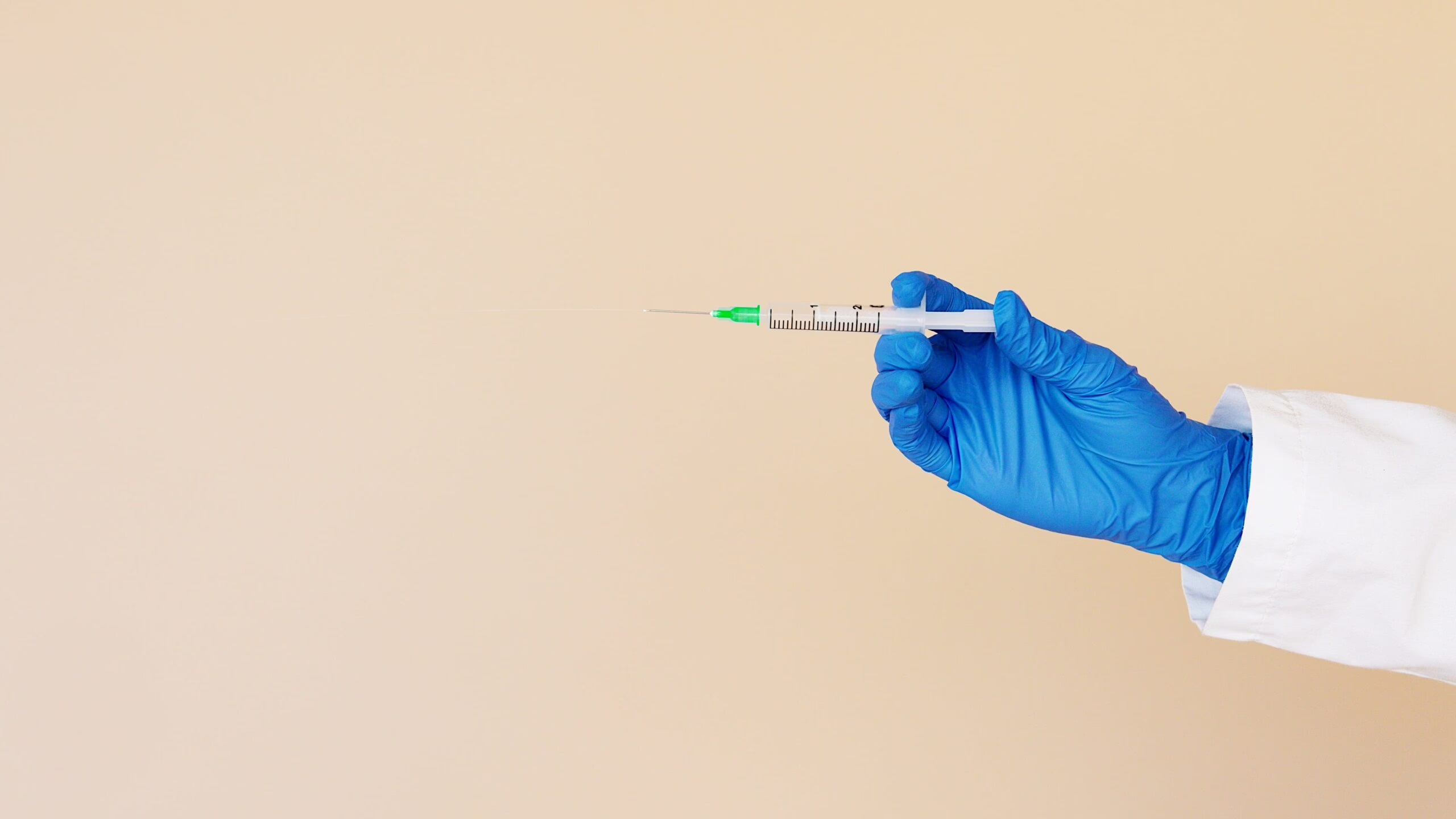
Sharps injuries pose significant risks to healthcare workers, patients, and the public, highlighting the importance of effective sharps management and contamination mitigation strategies. This academic white paper explores the complexities of sharps handling in healthcare environments, citing government sources and providing practical tips for managing sharps waste to enhance safety and minimize the risk of exposure to bloodborne pathogens.

Introduction: Sharps, defined as objects capable of puncturing or lacerating the skin, are ubiquitous in healthcare settings and play a crucial role in medical procedures. However, improper handling and disposal of sharps can result in serious injuries and transmission of bloodborne pathogens, including hepatitis B virus (HBV), hepatitis C virus (HCV), and human immunodeficiency virus (HIV). This paper examines contamination mitigation techniques and waste management practices to mitigate the risks associated with sharps in healthcare environments.

Contamination Mitigation Strategies: Effective contamination mitigation strategies are essential to minimize the risk of sharps injuries and bloodborne pathogen transmission:

  1. Engineering Controls: Utilize engineering controls, such as safety-engineered sharps devices (SESDs) and needleless systems, to minimize the risk of sharps injuries and promote safer handling practices among healthcare workers.
  2. Administrative Controls: Implement administrative controls, including staff education and training programs, sharps injury prevention plans, and protocols for safe sharps disposal, to reinforce best practices and promote a culture of safety in healthcare facilities.
  3. Personal Protective Equipment (PPE): Ensure healthcare workers have access to appropriate PPE, such as gloves, gowns, and eye protection, to reduce the risk of exposure to blood and bodily fluids during sharps-related procedures and activities.
  4. Post-Exposure Prophylaxis (PEP): Establish protocols for prompt identification and management of sharps injuries, including access to post-exposure prophylaxis (PEP) medications and follow-up testing to mitigate the risk of bloodborne pathogen transmission.

Government Sources and Regulations: Government agencies, including the Occupational Safety and Health Administration (OSHA) and the Centers for Disease Control and Prevention (CDC), provide guidelines and regulations to promote safe sharps handling and waste management practices:

  1. OSHA Bloodborne Pathogens Standard: OSHA’s Bloodborne Pathogens Standard (29 CFR 1910.1030) establishes requirements for healthcare employers to protect workers from occupational exposure to bloodborne pathogens, including sharps safety measures, training requirements, and engineering controls.
  2. CDC Guidelines for Safe Injection Practices: The CDC’s Guidelines for Safe Injection Practices outline recommendations for healthcare providers to prevent unsafe injection practices, including the use of single-dose vials, proper medication preparation techniques, and safe sharps disposal procedures.

Managing Sharps Waste: Effective management of sharps waste is essential to minimize environmental contamination and protect public health:

  1. Segregation and Containerization: Segregate sharps waste from other medical waste streams and place them in puncture-resistant containers labeled with biohazard symbols to prevent accidental needlesticks and promote safe disposal.
  2. Disposal Options: Utilize authorized medical waste disposal services or facilities equipped to handle sharps waste in accordance with federal, state, and local regulations, ensuring compliance with waste management guidelines and environmental protection requirements.
  3. Community Disposal Programs: Educate patients and the community about proper sharps disposal methods, including the use of designated sharps disposal containers and participation in community-based sharps collection programs to prevent needlestick injuries and promote responsible sharps management.

Conclusion: In conclusion, effective management of sharps in healthcare environments requires a comprehensive approach that encompasses contamination mitigation strategies, adherence to government regulations, and safe sharps waste management practices. By implementing engineering controls, administrative controls, and PPE protocols, healthcare facilities can minimize the risk of sharps injuries and bloodborne pathogen transmission among healthcare workers and patients.

Moreover, collaboration among healthcare providers, government agencies, and community stakeholders is essential to promote awareness, facilitate compliance with regulatory requirements, and foster a culture of safety surrounding sharps handling and disposal. By prioritizing contamination mitigation and adopting best practices for sharps waste management, healthcare organizations can enhance safety, protect public health, and mitigate the risks associated with sharps in healthcare settings.

Choosing the Right Medical Waste Management Partner: Ensuring Safety and Compliance for Healthcare Providers

Proper medical waste management is an essential aspect of healthcare operations. From hospitals and clinics to research laboratories and pharmacies, healthcare providers generate a significant amount of medical waste that must be handled and disposed of responsibly. In this blog post, we will explore the importance of selecting the right medical waste management partner, focusing on the key considerations for healthcare providers. Whether you’re searching for medical waste disposal companies near you or looking for a reliable biohazard pick-up service, making an informed choice can greatly impact safety, compliance, and cost-effectiveness.

Importance of Choosing the Right Medical Waste Management Partner:

  1. Safety First: Protecting your staff, patients, and the environment should be your top priority. The right medical waste management partner will have well-defined protocols in place to ensure the safe collection, transportation, and disposal of medical waste. This includes providing sturdy medical waste bins and containers that comply with regulations, minimizing the risk of injuries and contamination.
  2. Compliance with Regulations: Proper medical waste disposal is not just a best practice; it is a legal requirement. Healthcare providers must adhere to regulations set by organizations such as the Occupational Safety and Health Administration (OSHA) and the Environmental Protection Agency (EPA). Partnering with a reputable medical waste management company guarantees compliance with these regulations, reducing the risk of fines and legal consequences.
  3. Expertise and Experience: Medical waste management is a specialized field that requires expertise and experience. By choosing a knowledgeable partner, healthcare providers can benefit from their industry insights, ensuring proper segregation, packaging, and labeling of biohazardous waste. Furthermore, an experienced medical waste management company will stay up to date with evolving regulations and best practices, providing peace of mind and minimizing potential risks.
  4. Convenient Biohazard Waste Disposal: Convenience is a crucial factor when selecting a medical waste management partner. Look for companies that offer biohazard pick-up services tailored to your facility’s needs. These services should include regular and punctual collections, flexible scheduling options, and efficient tracking systems. Choosing a company with a local presence ensures prompt response times and minimizes logistical challenges.
  5. Cost-Effectiveness: While price should not be the sole determining factor, finding a medical waste management partner that offers competitive pricing is essential. A transparent pricing structure, coupled with customized waste management plans, can help healthcare providers optimize their waste disposal costs without compromising safety or compliance. Consider the long-term savings and value-added services, such as training programs and support in waste reduction initiatives, when evaluating potential partners.

Selecting the right medical waste management partner is crucial for healthcare providers. By prioritizing safety, compliance, expertise, convenience, and cost-effectiveness, healthcare facilities can ensure the proper disposal of medical waste while minimizing risks and streamlining operations. Whether you need medical waste disposal containers or a reliable biohazard pick-up service, make an informed choice that aligns with your organization’s values and regulatory obligations. Remember, investing in the right partner is an investment in the safety of your staff, patients, and the environment.

7 Easy Steps to Comply with OSHA’s Standard for Medical Waste Management

Medical waste is a hazardous material that requires proper handling and disposal to prevent the spread of infections and diseases. The Occupational Safety and Health Administration (OSHA) has set standards for medical waste management to protect workers and the public from exposure to these dangerous substances. Complying with these standards not only ensures a safe working environment but also reduces the risk of liability and fines. In this article, we will discuss how to comply with OSHA’s standard for medical waste management in seven easy steps.

7 Easy Steps to Comply with OSHA’s Standards for Medical-Waste Management

Step 1: Identify the types of medical waste

Medical waste can be classified into several categories, including infectious, hazardous, pharmaceutical, and sharps. It’s crucial to identify the types of waste generated in your facility to determine the appropriate disposal methods.

Step 2: Develop a waste management plan

A waste management plan outlines the procedures and protocols for the proper handling, storage, and disposal of medical waste. It should also include training programs for employees to ensure compliance with OSHA regulations.

Step 3: Provide proper containers for waste disposal

Medical waste must be stored in leak-proof and puncture-resistant containers that are labeled with the appropriate hazard warnings. Sharps containers, for example, should be made of puncture-resistant materials and clearly labeled to prevent accidental exposure.

Step 4: Train employees on proper waste management

Proper employee training is critical to the success of any waste management program. Workers should be trained on the proper handling and disposal of medical waste, including how to use personal protective equipment (PPE) and follow OSHA regulations.

Step 5: Implement infection control measures

Infection control measures such as hand hygiene, surface disinfection, and the use of PPE are crucial to preventing the spread of diseases and infections. Implementing these measures in your facility can help protect employees and patients from exposure to medical waste.

Step 6: Dispose of waste according to OSHA standards

Medical waste must be disposed of in accordance with OSHA standards. This includes following proper disposal methods, labeling and packaging waste correctly, and ensuring that waste is transported by licensed and permitted haulers.

Step 7: Monitor and review waste management procedures

Regular monitoring and review of your waste management procedures can help identify areas that need improvement and ensure compliance with OSHA regulations. Conducting regular audits and reviewing incident reports can help identify areas for improvement.

Conclusion:

In conclusion, compliance with OSHA’s standard for medical waste management is critical to protecting employees and the public from exposure to hazardous materials. By following these seven easy steps, healthcare facilities can ensure they are properly handling and disposing of medical waste in compliance with OSHA regulations.

OnSite Waste Technologies offers innovative waste treatment solutions, such as the TE-5000, that can help healthcare facilities safely dispose of medical waste on-site, reduce their carbon footprint, and minimize their regulatory risk. Contact us today to learn more about our waste treatment solutions and explore new and innovative ways to reduce medical waste.


Sources:


California Medical Waste Disposal Regulations

If your business generates medical waste in California, there are many regulations you need to comply with. From the collection of the waste, storage, treatment, and final disposal, your business has “cradle-to-grave” responsibility for processing your medical waste safely and legally through all of these stages. (For a full list of California counties and any applicable local regulations, see below.)

Primarily medical waste is regulated at the state level, however there are some federal and local county regulations that may apply. Failure to be compliant can cost you thousands of dollars in fines and/or litigation and even threaten your business license.

California’s Medical Waste Act governs medical waste disposal.

The state has a searchable PDF version of the Act as viewed here. Highlights relevant to most doctors, dentists, veterinarians, and similar facilities that generate medical waste are as follows:

Medical Waste Definitions (Chapter 2)

  • Terms specific to the Act, to include what constitutes medical waste, what medical waste generators mean, and more in this section of the Act

Powers and Duties (Chapter 3)

  • This section outlines the jurisdiction over medical waste generators and haulers

Small Quantity Generator Requirements (Chapter 4)

  • Specific registration, fees, inspections, storage concerns, onsite treatment rules, and Medical Waste Management Plan requirements for Small Quantity Generators (SQGs)

Large Quantity Generator Requirements (Chapter 5)

  • Specific registration, fees, inspections, storage concerns, onsite treatment rules, and Medical Waste Management Plan requirements for Large Quantity Generators (LQGs)

Medical Waste Hauler Requirements (Chapter 6)

  • Outlines registration, permits, and tracking records for medical waste haulers

Treatment Information (Chapter 8)

  • Outlines treatment methods, sharps waste, Emergency Action Plan requirements, and associated fees for those treating medical waste

Containment and Storage (Chapter 9)

  • Outlines segregation, containment, storage, and container management

Enforcement (Chapter 10)

  • Outlines injunctions, administrative penalties, inspections, and criminal penalties

Penalties (Chapter 11)

  • Specifies Grounds for Suspension or Revocation, proceedings, and temporary permit suspensions

The California Department of Public Health’s website also has helpful guidance on medical waste regulations in the state here.

Two things to keep in mind that are often overlooked by medical waste generators:

1. As a medical waste generator, you are required to create, maintain, and update regularly a Medical Waste Management Plan. California’s health department has a helpful checklist for this task here.

2. Beyond California’s requirements, on the federal level both OSHA and the Department of Transport (DOT) have some regulations to be aware of as well. OSHA primarily dictates how to keep employees safe in handling medical waste and the DOT regulates the transportation of medical waste.

Once you have established the federal and California specific regulations you must follow, do not forget to check with your local authorities. Often local rules overlap with state and federal rules, but it is important to double check for any county specific regulations to help ensure compliance.

To check for county specific regulations, please visit your local county website below.

Alameda, Alpine, Amador, Butte, Calaveras, Colusa, Contra, Costa, Del Norte, El Dorado, Fresno, Glenn, Humboldt, Imperial, Inyo, Kern, Kings, Lake, Lassen, Los Angeles, Madera, Marin, Mariposa, Mendocino, Merced, Modoc, Mono, Monterey, Napa, Nevada, Orange County, Placer, Plumas, Riverside, Sacramento, San Benito, San Bernardino, San Diego, San Francisco, San Joaquin, San Luis Obispo, San Mateo, Santa Barbara, Santa Clara, Santa Cruz, Shasta, Sierra, Siskiyou, Solano, Sonoma, Stanislaus, Sutter, Tehama, Trinity, Tulare, Tuolumne, Ventura, Yolo, Yuba.

For information on medical waste treatment and disposal you can do onsite at your office or facility as approved by the state of California, please see below.

Medical Waste Disposal Options

Writing an Exposure Control Plan: Meeting OSHA’s Bloodborne Pathogen Standard

Healthcare facilities, and other qualifying facilities in other industries, must abide by OSHA’s Bloodborne Pathogen Standard. This Standard seeks to protect workers from occupational hazards that result from being exposed to potentially infectious pathogens. The Standard was set forth in 1991 andincludes 7 key components, one of which specifically outlines the requirement to create and maintain an Exposure Control Plan (ECP).

The Standard’s requirements do not have clear specifications or directions. The plan is known as a “performance standard”, meaning there is a goal set forth but there is flexibility in how individual facilities achieve that goal.

The Standard applies to more than just the hospital, dental, or medical fields. OSHA says “Workers in many occupations, including first responders, housekeeping personnel in some industries, nurses and other healthcare personnel, all may be at risk for exposure to bloodborne pathogens.”

Those liable under the Standard can even include employees of tattoo parlors and sports coaches. “The Standard places requirements on employers whose workers can be reasonably anticipated to contact blood or other potentially infectious materials (OPIM), such as unfixed human tissues and certain body fluids.”

The consequences for violating OSHA’s Bloodborne Standard can be severe depending on the situation. For example, in 2016 OSHA fined USPS $342,000 for willfully violating the Exposure Control Plan requirements, as well as many other violations.

According to OSHA’s Field Operations Manual, violating any part(s) of the Bloodborne Pathogen Standard results in Gravity-Based Penalties (GBP). GBPs are determined by the severity of the violation, with high gravity violations resulting in fines up to $12,471, moderate gravity violations up to $10,689, and low gravity violations up to $5,345.

When determining the amount of the fine, OSHA also considers the size of the employer’s business, the good faith of the employer, and the employer’s history of violations. OSHA fines heavily for willful violations and repeat offenders.

What should my Exposure Control Plan include?

To avoid these fines, you should have a robust Exposure Control Plan. There are four basic rules your Exposure Control Plan needs to include.

They are:

  • The plan must be specific to your facility
  • The plan must be updated yearly – or when things change
  • Updates in technology must be considered
  • The plan must be accessible to your workers

The plan must be specific to your facility

The plan needs to specifically outline the details of your facility, workers, as well as the technology and equipment used in it. You must also delineate any potential threats, plans to address those threats, and what to do when things go wrong. You will want to be detailed when explaining specific job roles, the risks inherent in those roles, and how you are minimizing those risks.

Remember, the Standard is a Performance Standard. Your focus should be to show that you are acting in good faith by doing all you can to reduce any and all risks to your staff. The more thought-out and detailed your outline is, coupled with how you intend to reduce all identified threats, the closer you are to meeting the objectives of the Standard.

The plan must be updated yearly – or when things change

The plan must be updated yearly, with those updates communicated to staff. If anything in the plan changes, such as new staff, job roles, procedures or technology used, the plan needs to be updated to reflect those changes, even if a full year has not passed.

Updates in technology must be considered

As a part of your annual updates, OSHA requires that you review any technology that has come out since your last annual update. That way, you can assess if a new device or procedure can further limit any risks posed to staff. You need to document what you have reviewed and why you made the decision to either adopt or not adopt new equipment on the market.

OSHA will levy a fine against a facility that ignores new commercially-available devices that are designed to provide extra safety to workers, so do not miss this step or miss documenting it.

Additionally, OSHA requires that feedback from your workers is solicited on any new technology considered, so you will want to ensure you document that as well.

The plan must be accessible to your workers

Regular staff education on the plan’s contents and where the plan is kept is a requirement. The plan is meant to be fully accessible to workers at all times. This helps ensure it is readily available when an accident or incident has occurred.
It pays to be diligent in writing and maintaining your Exposure Control Plan. OSHA’s mission to protect workers may be a costly and time-consuming endeavor for your business, but in the end it will help you avoid fines, unnecessary workplace compensation issues, loss of staff due to temporary injury, and even staff turnover. It truly benefits everyone to be OSHA compliant.

Who Can Sue You for Improper Medical Waste Handling and Disposal

Any business that generates medical waste is subject to federal, state, and local regulations. This applies to facilities such as doctor offices, dentist offices, veterinary clinics, and laboratories. How your staff handles and disposes of medical waste is your responsibility from “cradle to grave”: from the waste’s creation, all the way to when the waste is rendered non-hazardous.

In fact, you are still responsible even if you outsource the disposal of your waste. Meaning, if you hire a third party to haul away medical waste from your facility, you remain liable. Doctors and business owners can be sued by a municipality or even a member of the public should their waste show up in general waste landfills or any other place not permitted under regulation.

For example, perhaps your third party hauler is involved in a car accident while transporting your waste. That waste could end up all over the road, and even leak onto a nearby resident’s property. If that happens, then the resident could potentially sue the originators of the waste for endangerment.

The main medical waste violations that can cause your business or practice to be audited, fined, or sued include:

  • Improper disposal
  • Incorrect segmenting of medical waste vs regular trash
  • Failure to register as a medical waste generator
  • Improper labeling
  • Criminal negligence
  • Improper waste storage
  • Third party haulers not being licensed

Any business handling medical waste could potentially be sued, from multinational corporations to small medical practices. It happens a lot more than you think. Let’s take a look at some case examples.

In 2017, a podiatry clinic in Missouri faced $93,074 in fines for the improper disposal of their medical waste, with the Occupational Safety and Health Administration (OSHA) cited them for 11 violations. The Anderson Foot and Ankle Clinic was charged with potentially exposing employees to infectious materials, and was cited for violating hazard communication standards.

In 2018, Target faced charges by the California District Attorney for the unlawful disposal of medical waste materials. They were fined $7.4 million. In 2011 they faced similar charges with a whopping $22.5 million dollars in fines. California Attorney General Havier Becerra hoped that the significant charges would push Target to make meaningful changes. He remarked on the case that “the wise move for all companies is to abide by the law and employ proactive training and processes to help ensure that hazardous waste violations are avoided in the first place.”

In 2015, a Texas A&M University System veterinary lab was found guilty of failing to register as a waste generator. While the lab correctly labeled, handled, and disposed of its medical waste, their crime was going over the limit set for non-registered entities.

In 2006, Rhode Island’s Department of Environment fined the Humane Association of Northwestern Rhode Island $3,000 for violating medical waste labeling regulations. Local police reported the crime after discovering unmarked garbage containing, among other things, used needles, syringes, and vaccine vials. The Humane Society was charged with failing to label medical waste properly, as well as failing to organize the legal transportation and tracking of that medical waste.

In 2010, a Pennsylvania dentist was fined $100,000 for dumping bags of syringes in local waters, which ended up washing up on New Jersey beaches. The dentist was found guilty of dumping 260 Accuject dental needles, 180 cotton swabs, and a number of blue and white plastic containers used to hold dental fillings. Had the dentist had a previous record, he would have faced up to a five year prison sentence for the crime as well.

In 2011, two San Diego hospitals were fined a combined $375,000 in civil penalties and costs for medical waste storage violations, failure to segment medical trash properly, and for not obtaining the proper transfer permits. Sharp Healthcare and Scripps Health issued statements following the action indicating they would increase surveillance of their trash to help avoid mistakes in future.

In 2014, a Massachusetts hospital was fined $6,000 by the Department of Environmental Protection for hiring an unlicensed third party hauler. When MassDEP inspected Cooley Dickinson Hospital, it also found that they failed to follow medical waste segregation rules, which help ensure the proper handling of the various types of hazardous medical waste. And that’s not all, as the hospital was also guilty of waste labeling violations.

Generators are forever liable for the medical waste they generate. This is why a lot of doctors and businesses that generate medical waste are using onsite treatment options, which helps render their medical waste safe to dispose of in the regular municipal trash. The option limits outside accidents or any potential waste hauler negligence, and thus helps doctors and business owners avoid the risk of litigation and even malpractice charges.

HIPAA Compliance: Regulations on Your Practice

There are many agencies that medical facilities have to answer to. From medical waste handling and disposal regulations to required annual OSHA training, it can be overwhelming to stay on top of all the federal, state, and local laws. HIPAA is yet another body of rules to stay compliant with, and is arguably the most violated regulation in healthcare.

This article will look at the following:

What is HIPAA Title II?
What is Protected Health Information?
HIPAA Requirements: Training, Technology, and Business Associate Agreements
HIPAA and Medical Waste
HIPAA Enforcement

What is HIPAA Title II?

The Health Insurance Portability and Accountability Act, or HIPAA, was signed into law in 1996. In the healthcare industry, it is generally the HIPAA Title II section that outlines the standards medical practices need to follow.

There are 5 specific standards in Title II:

  1. Unique Health Identifiers – This is the unique 10-digit National Provider Identifier, or NPI, that all healthcare providers, health plans, and individuals are required to have.
  2. Transfer of Information Among Health Plans – This requires all healthcare organizations to follow a standardized electronic data interchange when submitting and processing insurance claims.
  3. Security Standards for Health Information – Perhaps the most violated standard, this details what Protected Health Information is and to what extent health agencies are to guard and proactively protect against any “reasonably anticipated threats or hazards to the security or integrity” of that information.
  4. Code Sets – This standard outlines the set of codes that are to be used for encoding data elements. This includes tables of terms, medical concepts, medical diagnosis codes, and medical procedure codes. These Code Sets took effect in 2002 to help simplify the processes and decrease healthcare costs.
  5. Electronic Signature – This specifies standards specifying procedures for the electronic transmission and authentication of signatures.

What is Protected Health Information?

According to the Department of Health & Human Services, Protected Health Information, or PHI, is “information, including demographic data, that relates to:

  • the individual’s past, present or future physical or mental health or condition,
  • the provision of health care to the individual, or
  • the past, present, or future payment for the provision of health care to the individual
Patient Health Records folder with Confidential and HIPAA stamps

The department further defines PHI as “information that identifies the individual or for which there is a reasonable basis to believe it can be used to identify the individual. Individually identifiable health information includes many common identifiers (e.g., name, address, birth date, Social Security Number).”

HIPAA Requirements

Training

HIPAA requires that all employees at a healthcare institution, from medical clinics and hospitals to insurance companies and healthcare clearinghouses, have HIPAA training. This applies to all employees at the facility, so it not only includes doctors and dentists, but receptionists, part-time workers, and temporary employees as well. Anyone at the business dealing with Protected Health Information is required to have the mandatory training.

HIPAA also requires “periodic” refresher trainings. Although the time intervals are ambiguous, the rule of thumb in the industry is to have these refreshers annually.

Technology

Health care facilities and their business associates are required to conduct a risk analysis on their respective systems. The Health and Human Services Department and the Office for Civil Rights, the latter of which enforces HIPAA regulations, jointly created a tool to make that task manageable: called the HIPAA Security Risk Assessment (SRA) Tool.

Although using the HIPAA assessment tool is not required, a thorough and accurate assessment of the safety and potential vulnerabilities of managing Protected Health Information is definitely required.

As noted by an NIST Special Publication, the types of questions to ask in an assessment are:

  • “Have you identified the electronic PHI (or e-PHI), within your organization? This includes e-PHI that you create, receive, maintain or transmit.
  • What are the external sources of e-PHI? For example, do vendors or consultants create, receive, maintain or transmit e-PHI?
  • What are the human, natural, and environmental threats to information systems that contain e-PHI?”

If there is ever a breach to the integrity of an organization’s digital PHI information, be it an outright cyber attack on files or the misplacing of an information storage device, you are required to self-report the breach. This is dictated by the HIPAA Breach Notification Rule, which requires you to self-report the breach to the Health and Human Services Department. There are severe fines involved for violating the breach rule.

Business Associate Agreements

HIPAA requires that any vendors and third party affiliates that interact, or could interact, with Protected Health Information sign a Business Associate Agreement (BAA). Through these contractual agreements, the vendors and third party affiliates make it clear how it is that they follow all HIPAA regulations. These associates are also then expected to have the required HIPAA training.

There are many examples of healthcare facilities being fined for violating this requirement. To name a few:

In 2013, a Raleigh, NC orthopedic clinic was required to pay $750 million for engaging in the services of a third-party provider in absence of a BAA.

In 2018, a Florida contractor physicians group was fined $500,000 for sharing PHI with a vendor in absence of a BAA.

HIPAA And Medical Waste

HIPAA does not clearly outline rules regarding labels on regulated waste. If healthcare employees are trained *** Add link to blog https://blog.onsitewaste.com/medical-waste-or-trash *** on the proper disposal of medical waste including PHI labeling, and a regulated disposal system is in place that sees that waste being disposed of, then there are no extra steps to stay HIPAA compliant.

HIPAA Enforcement

The Office of Civil Rights (OCR) is tasked with enforcing HIPAA legislation in the following ways:

  • It investigates complaints that are filed with the office.
  • It conducts compliance reviews.
  • It performs education and outreach to encourage HIPAA compliance.
  • It works in conjunction with the Department of Justice when possible HIPAA violations are discovered.

There can be stiff fines for breaking HIPAA regulations. Even if a healthcare facility has been the victim of a data breach, they can be found liable.

A facility can be forced to pay civil money penalties from $100 to $50,000 or more per violation, with a one-calendar year cap of $1,500,000.

A healthcare employee who knowingly discloses PHI can face a criminal penalty of up to $50,000 and up to one-year imprisonment. The penalties increase up to $250,000 and 10 years imprisonment if the crime is found to involve false pretenses and/or the intent to sell the information for monetary gain or to cause malicious harm.

Some real-world violations to note are:

In 2014, the Office of Civil Rights announced an $800,000 HIPAA settlement with Parkview Health Systems after paper medical records for 5,000 to 8,000 patients were dumped in the driveway of a physician’s home.

In 2017, Memorial Hermann Health violated HIPAA regulations by releasing the name of a patient in a press release. The settlement was for $2.4 million.

As it can be seen, staying HIPAA compliant is extremely important, as the consequences for not doing so could be dire, including six figure lawsuits. However, by adhering to the five standards spelled out in Title II, properly managing Protected Health Information, and training your staff, your business can stay HIPAA compliant and avoid the painful pitfalls.