Play Anti-Waste Arcade for Free!

Play Anti-Waste Arcade for Free!

Navigating Recent Regulations in Medical Waste Management: A Guide for Healthcare Providers

Medical waste management is subject to a complex framework of regulations designed to safeguard public health, protect the environment, and ensure compliance with legal requirements. This white paper provides healthcare providers with an overview of recent changes and updates to medical waste regulations, highlighting key considerations and implications for practice. By staying informed and adhering to regulatory requirements, healthcare providers can mitigate risks, promote safety, and uphold standards of excellence in medical waste management.

Introduction: In the dynamic landscape of healthcare, regulatory compliance is paramount, particularly in the management and disposal of medical waste. Recent changes and updates to medical waste regulations have significant implications for healthcare providers, necessitating vigilance and proactive adaptation to evolving legal requirements. This paper explores recent developments in medical waste regulations and offers insights to help healthcare providers navigate compliance challenges effectively.

Recent Regulations Impacting Medical Waste Management: Several recent regulations have reshaped the regulatory landscape of medical waste management:

  1. Environmental Protection Agency (EPA) Regulations: The EPA regulates the handling, storage, transportation, and disposal of hazardous waste, including certain categories of medical waste. Recent updates to EPA regulations have introduced stricter requirements for hazardous waste generators, emphasizing waste minimization, labeling, and tracking protocols.
  2. Occupational Safety and Health Administration (OSHA) Standards: OSHA standards govern workplace safety and health hazards, including those related to medical waste handling and exposure to bloodborne pathogens. Recent updates to OSHA standards have focused on enhancing worker protections, training requirements, and exposure control measures in healthcare settings.
  3. Health Insurance Portability and Accountability Act (HIPAA) Compliance: HIPAA regulations govern the privacy and security of protected health information (PHI) and impose requirements on healthcare providers for the secure disposal of PHI-containing materials. Recent updates to HIPAA regulations have underscored the importance of proper disposal methods and documentation to protect patient privacy and confidentiality.
  4. State and Local Regulations: Many states and local jurisdictions have enacted specific regulations governing medical waste management, including licensing, registration, and reporting requirements. Recent changes to state and local regulations may introduce new compliance obligations and enforcement measures for healthcare providers.

Key Considerations for Healthcare Providers: In light of recent regulatory changes, healthcare providers should be aware of several key considerations:

  1. Classification and Segregation: Properly classify and segregate medical waste according to regulatory definitions and guidelines, distinguishing between hazardous and non-hazardous waste streams to ensure appropriate handling and disposal.
  2. Training and Education: Provide comprehensive training and education to healthcare personnel on medical waste management practices, including proper handling, storage, labeling, and disposal procedures, to minimize risks of exposure and ensure compliance with regulatory requirements.
  3. Documentation and Recordkeeping: Maintain accurate records of medical waste generation, handling, and disposal activities, including manifests, tracking logs, and training certifications, to demonstrate compliance with regulatory standards and facilitate auditing and reporting obligations.
  4. Monitoring and Quality Assurance: Implement monitoring and quality assurance measures to assess compliance with regulatory requirements, identify areas for improvement, and address deficiencies in medical waste management practices proactively.

Conclusion: In conclusion, staying abreast of recent regulations and updates in medical waste management is essential for healthcare providers to maintain compliance, mitigate risks, and uphold standards of excellence in patient care. By understanding the implications of recent changes to medical waste regulations and implementing best practices for compliance, healthcare providers can enhance safety, protect public health, and promote environmental stewardship in the management of medical waste.

As regulatory requirements continue to evolve, healthcare providers must remain vigilant, adaptable, and proactive in their approach to medical waste management, prioritizing patient safety, regulatory compliance, and the well-being of their communities. By embracing a culture of compliance and continuous improvement, healthcare providers can navigate the complexities of medical waste regulations with confidence and integrity.
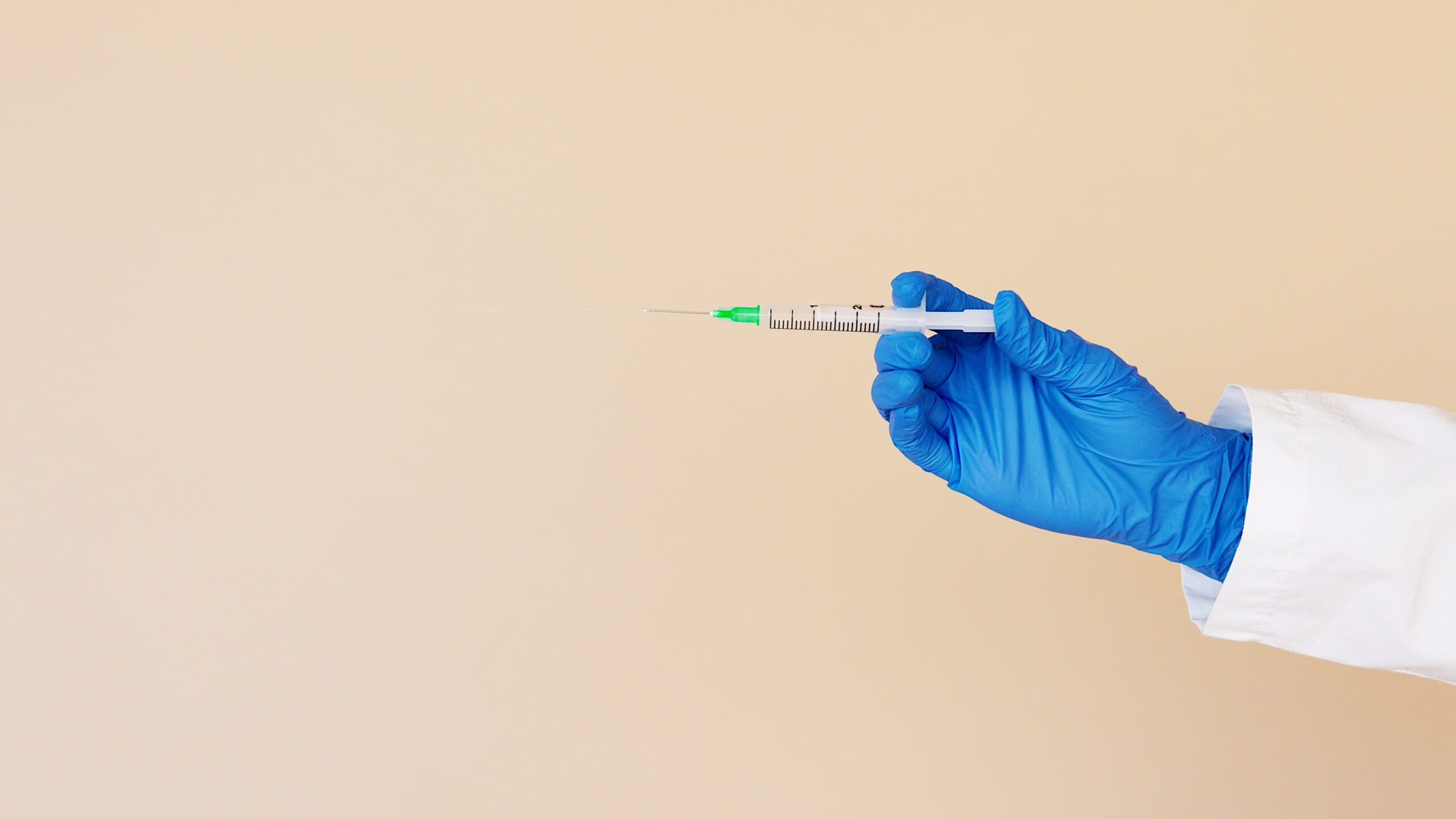
Managing Sharps in Healthcare Environments: Strategies for Contamination Mitigation and Waste Management

Sharps injuries pose significant risks to healthcare workers, patients, and the public, highlighting the importance of effective sharps management and contamination mitigation strategies. This academic white paper explores the complexities of sharps handling in healthcare environments, citing government sources and providing practical tips for managing sharps waste to enhance safety and minimize the risk of exposure to bloodborne pathogens.

Introduction: Sharps, defined as objects capable of puncturing or lacerating the skin, are ubiquitous in healthcare settings and play a crucial role in medical procedures. However, improper handling and disposal of sharps can result in serious injuries and transmission of bloodborne pathogens, including hepatitis B virus (HBV), hepatitis C virus (HCV), and human immunodeficiency virus (HIV). This paper examines contamination mitigation techniques and waste management practices to mitigate the risks associated with sharps in healthcare environments.

Contamination Mitigation Strategies: Effective contamination mitigation strategies are essential to minimize the risk of sharps injuries and bloodborne pathogen transmission:

  1. Engineering Controls: Utilize engineering controls, such as safety-engineered sharps devices (SESDs) and needleless systems, to minimize the risk of sharps injuries and promote safer handling practices among healthcare workers.
  2. Administrative Controls: Implement administrative controls, including staff education and training programs, sharps injury prevention plans, and protocols for safe sharps disposal, to reinforce best practices and promote a culture of safety in healthcare facilities.
  3. Personal Protective Equipment (PPE): Ensure healthcare workers have access to appropriate PPE, such as gloves, gowns, and eye protection, to reduce the risk of exposure to blood and bodily fluids during sharps-related procedures and activities.
  4. Post-Exposure Prophylaxis (PEP): Establish protocols for prompt identification and management of sharps injuries, including access to post-exposure prophylaxis (PEP) medications and follow-up testing to mitigate the risk of bloodborne pathogen transmission.

Government Sources and Regulations: Government agencies, including the Occupational Safety and Health Administration (OSHA) and the Centers for Disease Control and Prevention (CDC), provide guidelines and regulations to promote safe sharps handling and waste management practices:

  1. OSHA Bloodborne Pathogens Standard: OSHA’s Bloodborne Pathogens Standard (29 CFR 1910.1030) establishes requirements for healthcare employers to protect workers from occupational exposure to bloodborne pathogens, including sharps safety measures, training requirements, and engineering controls.
  2. CDC Guidelines for Safe Injection Practices: The CDC’s Guidelines for Safe Injection Practices outline recommendations for healthcare providers to prevent unsafe injection practices, including the use of single-dose vials, proper medication preparation techniques, and safe sharps disposal procedures.

Managing Sharps Waste: Effective management of sharps waste is essential to minimize environmental contamination and protect public health:

  1. Segregation and Containerization: Segregate sharps waste from other medical waste streams and place them in puncture-resistant containers labeled with biohazard symbols to prevent accidental needlesticks and promote safe disposal.
  2. Disposal Options: Utilize authorized medical waste disposal services or facilities equipped to handle sharps waste in accordance with federal, state, and local regulations, ensuring compliance with waste management guidelines and environmental protection requirements.
  3. Community Disposal Programs: Educate patients and the community about proper sharps disposal methods, including the use of designated sharps disposal containers and participation in community-based sharps collection programs to prevent needlestick injuries and promote responsible sharps management.

Conclusion: In conclusion, effective management of sharps in healthcare environments requires a comprehensive approach that encompasses contamination mitigation strategies, adherence to government regulations, and safe sharps waste management practices. By implementing engineering controls, administrative controls, and PPE protocols, healthcare facilities can minimize the risk of sharps injuries and bloodborne pathogen transmission among healthcare workers and patients.

Moreover, collaboration among healthcare providers, government agencies, and community stakeholders is essential to promote awareness, facilitate compliance with regulatory requirements, and foster a culture of safety surrounding sharps handling and disposal. By prioritizing contamination mitigation and adopting best practices for sharps waste management, healthcare organizations can enhance safety, protect public health, and mitigate the risks associated with sharps in healthcare settings.

Managing Medical Waste: Challenges, Solutions, and Future Directions

Medical waste management is a critical aspect of healthcare operations, with implications for public health, environmental sustainability, and regulatory compliance. This white paper examines the complexities of medical waste management, drawing upon studies and research to explore current practices, challenges, and emerging solutions in the healthcare and waste management industries.

Introduction: The generation of medical waste is an inevitable consequence of healthcare delivery, encompassing a diverse array of materials ranging from sharps and infectious waste to pharmaceuticals and chemical substances. Effective management of medical waste is essential to prevent public health risks, environmental contamination, and regulatory violations. This white paper investigates the processes, challenges, and innovations in medical waste management, shedding light on the complexities of this critical issue.

Current Practices in Medical Waste Management: Studies on medical waste management have identified several key practices and trends:

  1. Segregation and Containment: Healthcare facilities employ stringent protocols for segregating and containing different types of medical waste at the point of generation to minimize contamination and facilitate safe handling.
  2. Transportation and Disposal: Medical waste is transported from healthcare facilities to treatment and disposal sites using specialized containers and vehicles equipped with containment systems. Treatment methods include autoclaving, incineration, chemical disinfection, and alternative technologies aimed at rendering waste safe for disposal.
  3. Regulatory Compliance: Healthcare providers must adhere to a complex web of federal, state, and local regulations governing the management, handling, and disposal of medical waste. Regulatory compliance entails licensing, training, recordkeeping, and reporting obligations to ensure the safe and legal management of medical waste.

Challenges in Medical Waste Management: Despite advances in medical waste management practices, several challenges persist:

  1. Cost and Resource Constraints: Healthcare facilities face financial constraints and resource limitations in implementing and maintaining effective medical waste management programs, including the procurement of specialized equipment, training of personnel, and compliance with regulatory requirements.
  2. Environmental Concerns: The environmental impact of medical waste disposal, particularly incineration and landfilling, raises concerns about air and water pollution, greenhouse gas emissions, and long-term ecological consequences.
  3. Inadequate Infrastructure: Many regions lack adequate infrastructure for medical waste treatment and disposal, leading to reliance on outdated methods or illegal dumping practices that pose risks to public health and the environment.
  4. Public Perception and Stigma: Medical waste is often stigmatized and misunderstood, leading to public fear and misconceptions about its risks and management practices. Addressing public perception is crucial to fostering informed dialogue and promoting community engagement in waste management efforts.

Emerging Solutions and Future Directions: In response to these challenges, stakeholders in the healthcare and waste management industries are exploring innovative solutions and strategies:

  1. Technology and Automation: Advancements in technology, such as robotic systems, remote monitoring, and digital tracking platforms, offer opportunities to streamline waste management processes, improve efficiency, and enhance traceability throughout the waste lifecycle.
  2. Sustainable Practices: Increasing emphasis on sustainability has prompted the adoption of eco-friendly waste management practices, including waste-to-energy technologies, recycling of plastics and other materials, and carbon footprint reduction initiatives.
  3. Collaborative Partnerships: Collaboration among healthcare providers, waste management companies, regulatory agencies, and community stakeholders is essential to developing integrated, holistic approaches to medical waste management that address environmental, social, and economic concerns.
  4. Public Education and Awareness: Comprehensive public education campaigns and outreach efforts can raise awareness about the importance of proper medical waste management, dispel myths and misconceptions, and foster community support for sustainable waste management practices.

Conclusion: In conclusion, effective management of medical waste is a multifaceted challenge that requires collaboration, innovation, and commitment from stakeholders across the healthcare and waste management sectors. By leveraging research, data-driven approaches, and collaborative partnerships, we can address current challenges, implement sustainable solutions, and shape the future of medical waste management to safeguard public health, protect the environment, and ensure regulatory compliance.

Citing studies and research findings provides valuable insights into the current state of medical waste management and informs evidence-based strategies for improvement. As we confront the complexities of medical waste management, it is imperative to remain vigilant, proactive, and adaptive in our efforts to mitigate risks, promote sustainability, and advance the common good.

Maximizing Medical Waste Management: A Comprehensive Guide to Medical Waste Services

In the realm of healthcare, proper management of medical waste is not only crucial for environmental sustainability but also for public health and safety. This white paper delves into the intricacies of medical waste services, focusing on the efficient handling, disposal, and regulatory compliance necessary to safeguard both healthcare facilities and the broader community.

Introduction: Medical waste poses unique challenges due to its potential to transmit infectious diseases and hazardous properties. Healthcare providers must adhere to strict guidelines and regulations to mitigate risks associated with medical waste. As such, the demand for reliable medical waste services continues to rise. This white paper aims to explore the landscape of medical waste services, emphasizing their importance and the factors contributing to their effectiveness.

Understanding Medical Waste Services: Medical waste services encompass a range of activities aimed at managing, transporting, treating, and disposing of medical waste generated by healthcare facilities. These services include:

  1. Collection and Segregation: Efficient collection and segregation of medical waste at the point of generation are fundamental to proper management. Segregation ensures that different types of waste are appropriately handled, minimizing contamination risks and facilitating downstream processing.
  2. Transportation: Safe transportation of medical waste from healthcare facilities to treatment or disposal sites is a critical aspect of medical waste services. Specialized vehicles equipped with containment systems and operated by trained personnel ensure compliance with transportation regulations and minimize environmental exposure.
  3. Treatment and Disposal: Medical waste undergoes treatment processes to reduce its hazardous nature before final disposal. Treatment methods include incineration, autoclaving, chemical disinfection, and sterilization. These methods vary in effectiveness and environmental impact, necessitating careful consideration of local regulations and sustainability practices.
  4. Regulatory Compliance: Compliance with federal, state, and local regulations is paramount in the medical waste management process. Healthcare facilities and waste service providers must stay abreast of evolving regulatory requirements to ensure adherence and avoid potential fines or legal consequences.

Key Factors in Selecting Medical Waste Services: Choosing the right medical waste service provider is crucial for healthcare facilities seeking to maintain regulatory compliance and uphold best practices. Several key factors should be considered during the selection process:

  1. Experience and Reputation: A reputable service provider with extensive experience in medical waste management is more likely to deliver reliable and compliant services. Customer testimonials, industry certifications, and track record are indicators of a provider’s reputation.
  2. Comprehensive Services: Opting for a service provider offering end-to-end solutions, from collection to disposal, streamlines the waste management process and minimizes coordination efforts for healthcare facilities.
  3. Regulatory Compliance Expertise: In-depth knowledge of regulatory requirements and compliance standards ensures that waste management practices align with legal obligations and industry best practices.
  4. Environmental Sustainability: Choosing environmentally conscious waste management practices, such as recycling and energy recovery, demonstrates a commitment to sustainability and corporate social responsibility.
  5. Customer Support and Training: Access to responsive customer support and training resources helps healthcare facilities optimize waste management practices and address any issues or concerns promptly.

Conclusion: In conclusion, effective medical waste management is essential for safeguarding public health, environmental sustainability, and regulatory compliance within the healthcare sector. By partnering with reputable and experienced medical waste service providers, healthcare facilities can ensure the safe and responsible handling of medical waste throughout its lifecycle. Moreover, prioritizing factors such as regulatory compliance, environmental sustainability, and comprehensive service offerings enables healthcare facilities to optimize their waste management practices and contribute to a safer and healthier environment for all.

By focusing on these key aspects of medical waste services, healthcare facilities can enhance their operational efficiency, mitigate risks, and fulfill their commitment to patient care and community well-being.

Selecting the Right Medical Waste Partner for Long-Term Care Facilities: Key Qualifications to Consider

Choosing a reliable and efficient medical waste partner is a critical decision for long-term care facilities. The proper management of medical waste is not only a legal requirement but also a fundamental aspect of maintaining a safe and hygienic environment for residents and staff. In this article, we’ll explore the key qualifications that long-term care facilities should consider when selecting a medical waste partner.

I. Regulatory Compliance: A Non-Negotiable Requirement:

The healthcare industry is subject to stringent regulations, and long-term care facilities are no exception. When evaluating potential medical waste partners, ensure that they adhere to all relevant federal, state, and local regulations. A trustworthy partner should have a deep understanding of guidelines such as those set by the Occupational Safety and Health Administration (OSHA), the Environmental Protection Agency (EPA), and the Department of Transportation (DOT).

II. Comprehensive Range of Services:

A good medical waste partner for long-term care facilities should offer a comprehensive suite of services tailored to the specific needs of the community. This includes the disposal of various types of medical waste, including sharps, pharmaceuticals, and potentially infectious materials. The partner should be equipped to handle the diverse waste streams generated in long-term care settings.

III. Secure and Compliant Containers:

Containers used for the collection and disposal of medical waste must meet strict regulatory standards. The medical waste partner should provide secure, leak-proof, and compliant containers for different waste types. This ensures the safety of both staff and residents, as well as compliance with disposal guidelines.

IV. Flexible Scheduling and Reliable Pickup Services:

Reliability is paramount in medical waste management. A qualified partner should offer flexible scheduling options to accommodate the unique needs of long-term care facilities. Regular and reliable pickup services ensure that medical waste is consistently and safely removed from the facility, preventing accumulation and minimizing potential risks.

V. Comprehensive Training and Support:

An effective medical waste partner understands the importance of staff education and training. Look for a partner that offers comprehensive training programs for facility staff, covering topics such as waste segregation, containerization, and emergency response procedures. This empowers staff to handle medical waste responsibly and enhances overall compliance.

VI. Transparent Pricing and Contract Terms:

Transparency in pricing and contract terms is crucial for establishing a trustworthy relationship. A reputable medical waste partner should provide clear, straightforward pricing structures and transparent contracts. Avoid hidden fees or ambiguous terms that may lead to misunderstandings in the future.

VII. Environmental Stewardship:

Choose a medical waste partner that demonstrates a commitment to environmental sustainability. This can include eco-friendly disposal methods, recycling initiatives, and a focus on minimizing the carbon footprint associated with medical waste management. Long-term care facilities increasingly value partners who share their commitment to responsible environmental practices.

VIII. Track Record and References:

Before finalizing a partnership, inquire about the medical waste partner’s track record. Ask for references from other long-term care facilities or healthcare providers who have used their services. A provider with a positive reputation and a history of successful partnerships is likely to be a reliable choice.

IX. Customer Service and Responsiveness:

Outstanding customer service is a hallmark of a reliable medical waste partner. Choose a provider that is responsive to inquiries, addresses concerns promptly, and offers dedicated support throughout the partnership. A commitment to excellent customer service enhances the overall experience for long-term care facilities.

X. Secure Data Management:

In an era where data security is paramount, a good medical waste partner should also prioritize secure data management. This includes the proper handling of electronic waste manifests, documentation, and records associated with medical waste disposal. A partner that implements robust data security measures ensures the confidentiality and integrity of sensitive information.

Conclusion:

Selecting the right medical waste partner for long-term care facilities is a decision that should be approached with diligence and careful consideration. By prioritizing regulatory compliance, a comprehensive range of services, transparent pricing, and a commitment to environmental stewardship, long-term care facilities can forge partnerships that contribute to a safe, compliant, and sustainable healthcare environment. Choosing a medical waste partner that aligns with the unique needs and values of long-term care facilities is an investment in the well-being of residents, the safety of staff, and the overall success of the community.

Navigating Medical Waste Management in Skilled Nursing Facilities: A Comprehensive Guide

Skilled Nursing Facilities (SNFs) play a crucial role in providing specialized care for residents with various healthcare needs. As guardians of patient well-being, it is imperative for SNFs to establish robust protocols for medical waste management. This article explores the key considerations and requirements for managing medical waste in skilled nursing facilities, emphasizing the importance of compliance, safety, and environmental responsibility.

I. Understanding Medical Waste in Skilled Nursing Facilities:

Medical waste generated in SNFs encompasses a diverse range of materials, including used needles, contaminated dressings, pharmaceutical waste, and potentially infectious items. Given the unique healthcare services provided in these facilities, proper management of medical waste is not only a regulatory obligation but an essential component of ensuring resident and staff safety.

II. Regulatory Compliance: A Non-Negotiable Aspect:

Skilled Nursing Facilities must adhere to a myriad of federal, state, and local regulations governing medical waste management. Key regulations include:

a. Occupational Safety and Health Administration (OSHA): SNFs must comply with OSHA’s Bloodborne Pathogens Standard, which outlines safety measures for handling and disposing of potentially infectious materials.

b. Environmental Protection Agency (EPA): The EPA regulates the disposal of pharmaceutical waste, emphasizing the need for proper segregation and disposal methods.

c. Department of Transportation (DOT): If SNFs transport medical waste off-site, compliance with DOT regulations for packaging, labeling, and transportation is mandatory.

III. Developing a Comprehensive Medical Waste Management Plan:

a. Segregation and Containerization: SNFs should implement a system for the proper segregation of different types of medical waste. Use color-coded containers and labels to ensure easy identification and separation of sharps, infectious waste, and pharmaceutical waste.

b. Staff Training and Education: Ensuring that staff is well-informed about the proper procedures for handling and disposing of medical waste is paramount. Regular training sessions should cover segregation, containerization, and emergency response protocols.

c. Secure On-Site Storage: Establish secure on-site storage areas for medical waste containers. Ensure that these areas are inaccessible to unauthorized personnel and meet regulatory standards for containment.

IV. Safe Handling of Sharps:

a. Sharps Container Placement: Position sharps containers in areas where they are easily accessible to staff but out of reach of residents. This prevents accidental needlestick injuries and ensures safe disposal.

b. No Recapping Policy: Implement a strict policy against recapping needles. Used needles should be disposed of directly into sharps containers to minimize the risk of injuries.

V. Proper Disposal of Pharmaceutical Waste:

a. Segregation and Identification: Separate pharmaceutical waste from other medical waste. Clearly label and store pharmaceutical waste in designated containers to prevent cross-contamination.

b. Compliance with EPA Guidelines: Adhere to EPA guidelines for the disposal of pharmaceutical waste. This may include the use of reverse distributors or authorized pharmaceutical waste disposal services.

VI. Collaboration with Certified Medical Waste Disposal Services:

Engaging certified medical waste disposal services ensures that SNFs meet compliance standards while outsourcing the complex task of waste disposal to experts. These services handle collection, transportation, and disposal, allowing SNF staff to focus on resident care.

VII. Documentation and Record-Keeping:

Maintain detailed records of medical waste disposal activities. This documentation should include the type and quantity of waste generated, dates of disposal, and proof of compliance with regulatory guidelines.

Conclusion:

In the realm of skilled nursing facilities, the management of medical waste is not just a regulatory requirement; it is a fundamental aspect of ensuring resident and staff safety. By establishing comprehensive waste management plans, adhering to regulatory guidelines, and collaborating with certified disposal services, SNFs can navigate the complexities of medical waste management with precision and responsibility. Remembering the importance of staff education, secure on-site storage, and proper handling of sharps and pharmaceutical waste contributes to a healthcare environment that prioritizes patient well-being, regulatory compliance, and environmental responsibility. As guardians of health and safety, skilled nursing facilities play a pivotal role in upholding the highest standards in medical waste management.

Empowering Patients: Proper Disposal and Management of Medical Waste During National Diabetes Awareness Month

As we enter National Diabetes Awareness Month, the spotlight turns not only to understanding the complexities of diabetes but also to fostering responsible and safe practices in its management. For individuals living with diabetes, proper disposal and management of medical waste are critical components of maintaining a healthy and safe environment. In this blog, we delve into the importance of educating patients on the correct procedures for handling and disposing of medical waste associated with diabetes care.

I. Understanding Diabetes-Related Medical Waste:

Diabetes management often involves the use of various medical supplies, including lancets, syringes, insulin pens, and glucose monitoring equipment. Proper disposal of these items is not only essential for personal safety but also for the well-being of the community and the environment.

II. The Impact of Improper Disposal:

Improper disposal of diabetes-related medical waste poses risks to individuals, healthcare workers, and the general public. Sharps, such as needles and lancets, can cause injuries and increase the risk of infections. Furthermore, these items can contribute to environmental pollution if not disposed of correctly.

III. Educating Patients on Safe Disposal Practices:

a. Use of Sharps Containers: Emphasize the importance of using puncture-resistant sharps containers for the disposal of needles and lancets. These containers should be easily accessible in the home and properly sealed when full.

b. Secure Sealing and Labeling: Instruct patients to securely seal containers and label them as “sharps waste” to alert waste disposal workers to the presence of potentially hazardous materials.

c. Avoiding Recapping Needles: Remind patients to avoid recapping needles, as this can increase the risk of accidental needlestick injuries. Instead, they should dispose of needles directly into sharps containers.

d. Proper Disposal of Glucose Monitoring Supplies: Guide patients on how to safely dispose of glucose test strips, lancets, and other testing supplies. These items, while smaller than sharps, still require proper disposal to prevent accidents.

IV. Community Resources and Collection Programs:

Inform patients about community resources and collection programs that facilitate the safe disposal of medical waste. Many localities have drop-off locations or special collection events for sharps and other medical waste items.

V. Environmental Considerations:

a. Eco-Friendly Disposal Options: Encourage patients to explore eco-friendly disposal options for diabetes-related waste. Some areas have programs that allow for the recycling of certain types of medical waste.

b. Reducing Plastic Waste: Consider discussing with patients the use of reusable insulin pens and other devices to reduce the overall plastic waste associated with diabetes management.

VI. Legislation and Regulations:

Highlight relevant legislation and regulations regarding the disposal of medical waste in your region. This can include information on state or local guidelines for proper disposal practices and any available support or resources.

Conclusion:

National Diabetes Awareness Month provides a valuable opportunity to not only raise awareness about diabetes but also to empower patients with the knowledge needed to manage their medical waste responsibly. By educating individuals on safe disposal practices, the diabetes community can contribute to a safer and healthier environment for everyone. Proper disposal is not just a personal responsibility but a collective effort to ensure the well-being of individuals living with diabetes and the broader community. As we work towards a future free from the complications of diabetes, let us also strive for a world where responsible medical waste management is an integral part of every patient’s journey.

Navigating Specialized Medical Waste Disposal Services for Long-Term Care Providers

In the complex world of healthcare, long-term care providers shoulder the responsibility of ensuring the well-being of their residents. Integral to this commitment is the proper management of medical waste, a task that necessitates specialized solutions tailored to the unique needs of long-term care facilities. This blog aims to provide an in-depth exploration of medical waste disposal services specifically designed for long-term care providers, unraveling the intricacies of compliance, efficiency, and sustainability.

I. Understanding Long-Term Care Medical Waste:

Long-term care providers handle a distinctive array of medical waste, often different from other healthcare facilities. This includes items such as incontinence products, disposable medical equipment, wound dressings, and pharmaceutical waste. Tailoring medical waste disposal services to these specific categories is paramount to ensure regulatory compliance and the safety of residents and staff.

II. Pharmaceutical Waste Management:

Long-term care facilities frequently grapple with pharmaceutical waste, including expired medications and unused drugs. Ensuring proper disposal of these items is not just a matter of compliance but also crucial for preventing accidental ingestion or environmental contamination. Specialized medical waste disposal services for long-term care providers incorporate secure pharmaceutical waste management protocols, guaranteeing the safe disposal of medications while adhering to regulatory guidelines.

III. Incontinence Product Disposal:

In the realm of long-term care, the disposal of incontinence products is a daily reality. Effective management of these waste items requires specialized processes that address hygiene concerns, odor control, and environmental impact. Dedicated medical waste disposal services for long-term care providers understand these unique challenges, offering discreet and efficient solutions for the proper disposal of incontinence products.

IV. Sharps Disposal Solutions:

Long-term care facilities often handle a significant volume of sharps, including needles and lancets used for medication administration and monitoring. Specialized medical waste disposal services take into account the specific needs of long-term care providers by implementing secure sharps disposal solutions. This not only ensures the safety of residents and staff but also minimizes the risk of needlestick injuries.

V. Patient Room Waste Management:

Long-term care providers must contend with various types of patient room waste, such as disposable gloves, soiled linens, and non-hazardous medical waste. Tailored services address these waste streams efficiently, offering regular and reliable pickups while adhering to infection control measures. This comprehensive approach streamlines waste management, allowing long-term care providers to focus on delivering exceptional patient care.

VI. Educational Support for Staff:

The best medical waste disposal services for long-term care providers go beyond simple waste pickup. They provide educational support for staff, ensuring that everyone is well-informed about the proper segregation and disposal of different types of medical waste. This proactive approach enhances compliance, minimizes errors, and fosters a culture of responsibility within the facility.

Conclusion:

In the realm of long-term care, the management of medical waste is not a one-size-fits-all endeavor. Tailored medical waste disposal services, designed specifically for the unique needs of long-term care providers, ensure that regulatory compliance is met without compromising the safety and well-being of residents and staff. By addressing the nuances of pharmaceutical waste, incontinence products, sharps, and patient room waste, these specialized services empower long-term care facilities to navigate the complexities of medical waste disposal with precision and excellence. Choosing a service provider that understands and caters to the distinct requirements of long-term care is not just a necessity; it’s a strategic investment in the health and safety of the community served.

Navigating the Regulations of Regulated Medical Waste: A Guide for Healthcare Providers

The management of regulated medical waste is subject to a complex web of regulations and guidelines aimed at protecting public health and the environment. Healthcare providers play a pivotal role in ensuring compliance with these regulations to safeguard the well-being of patients, staff, and the community. In this article, we will explore the various regulations surrounding regulated medical waste and provide insights on how healthcare providers can stay compliant while effectively managing this critical aspect of their operations.

Understanding Regulated Medical Waste (RMW)

Regulated medical waste, often referred to as biohazardous waste or infectious waste, encompasses materials generated in healthcare facilities that may pose a risk of infection or injury. This includes items like used sharps, contaminated dressings, cultures, and other potentially infectious materials.

Regulations Governing Regulated Medical Waste

  1. Federal Regulations: In the United States, the Environmental Protection Agency (EPA) and the Occupational Safety and Health Administration (OSHA) play key roles in regulating RMW. EPA oversees the disposal of RMW, while OSHA focuses on worker safety, including safe handling and disposal practices.
  2. State and Local Regulations: Many states have their own specific regulations governing the management and disposal of RMW. These regulations can vary significantly from state to state and may include requirements related to storage, transportation, and treatment.
  3. Transportation Regulations: The transportation of RMW is subject to additional regulations enforced by agencies like the Department of Transportation (DOT). These regulations cover packaging, labeling, and the qualifications of transport personnel.

How Healthcare Providers Can Stay Compliant

  1. Educate Staff: Ensure that all healthcare staff members are well-informed about RMW regulations and safe handling practices. Training programs and ongoing education are essential.
  2. Segregation: Properly segregate RMW from non-hazardous waste at the source. Use color-coded containers and labels to distinguish RMW from other waste streams.
  3. Use Certified Containers: Employ certified sharps containers and biohazard bags that meet regulatory standards. Ensure containers are sealed, puncture-resistant, and leak-proof.
  4. Document Compliance: Maintain detailed records of RMW generation, transportation, treatment, and disposal. Proper documentation is crucial for audits and inspections.
  5. Contract with Reputable Service Providers: Partner with licensed and reputable medical waste service providers who are well-versed in RMW regulations. These providers should handle transportation, treatment, and disposal in compliance with all applicable rules.
  6. Stay Informed: Keep up-to-date with changing regulations at the federal, state, and local levels. Regularly check official government websites, attend industry conferences, and network with peers to stay informed.

Resources for Regulatory Information

Healthcare providers can access regulatory information from various sources:

  1. EPA Website: The EPA website provides information on federal regulations related to RMW management and disposal.
  2. OSHA Guidelines: OSHA offers guidelines and resources on worker safety and infection control practices.
  3. State Health Departments: Contact your state’s health department or environmental agency for state-specific regulations and guidance.
  4. Professional Associations: Industry-specific associations often provide resources and updates on RMW regulations. These associations may also offer training and educational materials.

Conclusion

Compliance with regulations surrounding regulated medical waste is not just a legal obligation but a crucial aspect of providing safe and responsible healthcare. Healthcare providers must stay informed, educate their staff, and work closely with reputable service providers to ensure compliance with federal, state, and local regulations. By adhering to these guidelines and staying proactive in their approach, healthcare facilities can effectively manage RMW while safeguarding public health and the environment.

Smart Strategies for Procuring Sharps Containers: Saving on Your Healthcare Budget

For healthcare providers, safety and cost-effectiveness are top priorities when it comes to managing medical sharps. Sharps containers are essential for the safe disposal of needles, syringes, and other sharp objects. But where should healthcare providers buy their sharps containers, and how can they save on these crucial safety products? In this article, we will explore strategies for procuring sharps containers efficiently while maintaining budget-conscious practices.

Where to Buy Sharps Containers

Healthcare providers have several options when it comes to purchasing sharps containers:

  1. Medical Supply Distributors: Established medical supply distributors often carry a wide range of sharps containers. These suppliers offer convenience and a wide selection of sizes and types to suit your facility’s needs.
  2. Online Retailers: Many online retailers specialize in medical supplies, including sharps containers. Purchasing online can offer cost savings and the convenience of comparing different products and prices.
  3. Manufacturer Direct: Some healthcare providers choose to buy sharps containers directly from manufacturers. This can sometimes lead to cost savings, especially when purchasing in bulk.
  4. Group Purchasing Organizations (GPOs): Joining a GPO can provide healthcare facilities with access to discounted rates on a variety of medical supplies, including sharps containers.

Saving on Sharps Containers

To save on sharps containers while maintaining safety and quality, consider these strategies:

  1. Buy in Bulk: Purchasing sharps containers in bulk often comes with cost savings. Assess your facility’s needs and buy in larger quantities to take advantage of volume discounts.
  2. Explore Generic Brands: Generic or store-brand sharps containers can be just as safe and effective as name-brand options but may come at a lower cost.
  3. Consider Recycling Programs: Some manufacturers and suppliers offer recycling programs where you can return used containers and receive new ones at a reduced cost. This can be both cost-effective and environmentally friendly.
  4. Group Purchasing: Joining a GPO can provide access to negotiated discounts on sharps containers and other medical supplies. GPOs leverage the purchasing power of multiple healthcare facilities to secure lower prices.
  5. Evaluate Container Size: Choose container sizes that align with your facility’s waste generation. Avoid over-purchasing larger containers that may lead to unnecessary expenses.
  6. Reusable vs. Single-Use: Evaluate whether reusable sharps containers, which can be emptied and sterilized, are more cost-effective in the long run compared to single-use options.
  7. Online Price Comparison: When purchasing online, compare prices from multiple retailers to find the best deal. Consider shipping costs when comparing online prices.
  8. Contract Negotiation: If you have a long-term contract with a supplier, consider renegotiating the terms to secure more favorable pricing.

Conclusion

Maintaining a safe and cost-effective healthcare environment is essential for healthcare providers. When it comes to procuring sharps containers, exploring different purchasing options, buying in bulk, considering generic brands, and participating in cost-saving programs can help healthcare facilities save on their budget while ensuring the safe disposal of medical sharps. Prioritizing safety while implementing cost-effective procurement strategies is a win-win for healthcare providers, enabling them to provide high-quality care while maintaining financial responsibility.