Play Anti-Waste Arcade for Free!

Play Anti-Waste Arcade for Free!

Decoding Biohazardous Waste: Understanding Qualifications and Disposal Protocols

In the vast landscape of waste management, one category demands meticulous attention due to its potential threat to public health and the environment – biohazardous waste. Understanding what qualifies as biohazardous waste is crucial not only for healthcare professionals but for anyone involved in waste disposal. This comprehensive blog aims to unravel the complexities of biohazardous waste, shedding light on its qualifications, characteristics, and the strict disposal protocols essential for safeguarding our communities.

I. Defining Biohazardous Waste:

Biohazardous waste, often denoted by the symbol of a biohazard, refers to materials that contain biological agents or substances that pose a threat to human health or the environment. These materials can come from various sources, including healthcare facilities, research laboratories, and even households. What qualifies as biohazardous waste is determined by the potential risk of infection or harm associated with its handling and disposal.

II. Categories of Biohazardous Waste:

Biohazardous waste can be categorized into several types based on its origin and potential risk. Common categories include:

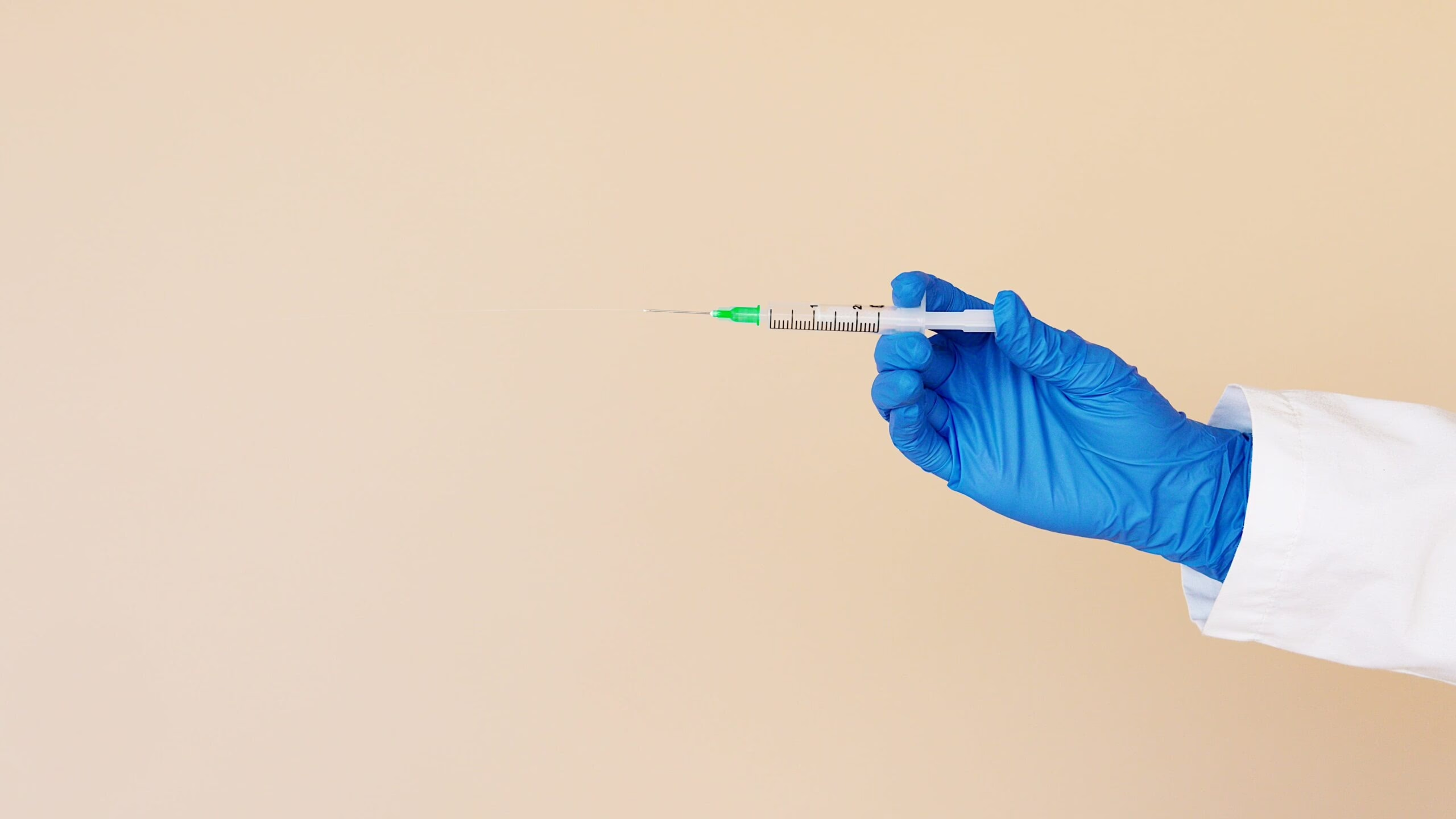
a. Sharps Waste: This category includes needles, syringes, and other sharp objects that may be contaminated with infectious materials.

b. Infectious Waste: Materials such as cultures, tissues, and discarded vaccines fall under this category due to their potential to harbor infectious agents.

c. Pathological Waste: Human tissues, organs, and other anatomical waste are classified as pathological waste and require specialized handling.

d. Blood and Blood Products: Any discarded blood or blood-derived products, including serum and plasma, are considered biohazardous and necessitate proper disposal.

e. Contaminated Personal Protective Equipment (PPE): Used PPE, such as gloves and gowns, becomes biohazardous when contaminated with infectious materials.

III. Characteristics of Biohazardous Waste:

Understanding the characteristics of biohazardous waste is crucial for proper identification and disposal. Key characteristics include:

a. Infectivity: Biohazardous waste carries the potential for containing infectious agents, such as bacteria, viruses, or fungi.

b. Toxicity: Some biohazardous materials may be toxic, posing a threat to human health and the environment if not handled properly.

c. Radioactivity: In certain cases, biohazardous waste may also be radioactive, necessitating specialized disposal methods.

IV. Regulatory Framework:

The disposal of biohazardous waste is subject to stringent regulations to ensure public safety and environmental protection. Regulatory bodies, such as the Environmental Protection Agency (EPA) and the Occupational Safety and Health Administration (OSHA), set guidelines for the handling, packaging, transportation, and disposal of biohazardous waste.

V. Safe Disposal Protocols:

Disposing of biohazardous waste requires adherence to strict protocols to mitigate potential risks. Key disposal measures include:

a. Segregation and Labeling: Proper segregation of biohazardous waste from other waste streams and clear labeling with biohazard symbols are fundamental.

b. Secure Packaging: Biohazardous waste must be securely packaged in leak-proof containers to prevent spillage and contamination during transport.

c. Licensed Transportation: Biohazardous waste should only be transported by licensed and authorized carriers equipped to handle such materials safely.

d. Treatment and Disposal Facilities: Specialized treatment and disposal facilities, often using methods like incineration or autoclaving, ensure the complete and safe destruction of biohazardous waste.

VI. The Role of Healthcare and Research Facilities:

Healthcare and research facilities play a pivotal role in adhering to biohazardous waste disposal protocols. This includes staff training, the provision of proper disposal containers, and regular audits to ensure compliance with regulations.

Conclusion:

Biohazardous waste, with its potential to harm human health and the environment, demands meticulous attention and adherence to strict disposal protocols. Recognizing what qualifies as biohazardous waste is the first step in ensuring its safe and responsible management. By understanding the categories, characteristics, and regulatory framework surrounding biohazardous waste, we empower ourselves to protect our communities and the planet from potential risks associated with these materials. Compliance with disposal protocols, coupled with ongoing education and vigilance, is paramount in upholding the standards of safety and environmental responsibility in our waste management practices.

Medical Waste Examples: A Comprehensive Guide for Healthcare Providers

Proper management and disposal of medical waste are paramount in the healthcare industry. As a healthcare provider, it is crucial to understand the different categories of medical waste to ensure the safety of patients, healthcare professionals, and the environment. This article will focus on two specific categories: red bag waste and sharps waste. Additionally, we will delve into the importance of utilizing designated medical waste bins, the need for reliable biohazard waste disposal companies, and the significance of adhering to OSHA guidelines for biohazard waste disposal.

  1. Red Bag Waste: Safely Handling Infectious Waste

Red bag waste, also referred to as regulated medical waste or infectious waste, encompasses any waste that carries the potential to transmit infectious diseases. It includes items contaminated with blood, body fluids, or other potentially infectious materials. Healthcare facilities generate a wide range of red bag waste, including:

  • Used gloves, gowns, and face masks: These items are often contaminated during medical procedures or when in contact with patients’ bodily fluids.
  • Contaminated dressings and bandages: Wound dressings and bandages that come into contact with blood or other potentially infectious materials are considered red bag waste.
  • Discarded microbiological cultures and specimens: Laboratory samples or cultures that are no longer needed or expired fall into this category.
  • Contaminated personal protective equipment (PPE): PPE such as masks, goggles, and gloves that are contaminated should be disposed of as red bag waste.
  • Unused or expired medications: Pharmaceuticals that are no longer needed or have expired should be disposed of properly.

To ensure the safe disposal of red bag waste, healthcare providers should use designated medical waste bins. These bins are specifically designed to prevent leaks and punctures, thereby minimizing the risk of exposure to infectious materials. By utilizing these containers, healthcare facilities can comply with regulations and maintain a hygienic environment.

  1. Sharps Waste: Handling and Disposing of Hazardous Objects

Sharps waste refers to any object with a sharp edge or point that can puncture the skin, including needles, syringes, lancets, and scalpels. Proper disposal of sharps waste is crucial to prevent injuries and the transmission of bloodborne pathogens. Examples of sharps waste include:

  • Used needles and syringes: These are frequently used in medical procedures and should be handled and disposed of properly to avoid needlestick injuries.
  • Scalpels and blades: Surgical instruments with sharp edges should be carefully disposed of in designated sharps containers.
  • Broken glass or vials: Glass materials or containers that have been broken or contain residual liquids are considered sharps waste.
  • Lancets and other piercing objects: Devices used for blood glucose monitoring, for example, should be discarded in sharps containers.

Similar to red bag waste, sharps waste should be placed in specially designed sharps containers. These containers are puncture-resistant, leak-proof, and equipped with a secure lid to prevent accidental needlestick injuries. Proper labeling and segregation of sharps waste are essential to ensure the safety of healthcare workers and waste management personnel.

In effectively managing medical waste, healthcare providers often rely on professional biohazard waste disposal companies. These companies specialize in the safe and compliant removal and treatment of medical waste. When searching for “biohazard waste disposal companies near me” or “medical waste disposal companies near me,” it is important to choose a reputable and licensed provider that offers biohazard pick-up services. By partnering with a reliable disposal service, healthcare facilities can ensure that their waste is handled properly and in accordance with regulations.

Lastly, healthcare providers must adhere to the guidelines set by the Occupational Safety and Health Administration (OSHA) as well as any state or local regulations.

What is Considered Medical Waste?

Medical waste is a complex and often confusing topic, particularly for those in the healthcare industry. The classification of medical waste can vary depending on factors such as the type of facility, the type of waste generated, and the regulations in place. With so many factors to consider, it can be difficult to determine what is and what is not considered medical waste.

However, it is crucial that healthcare facilities understand the proper classification of medical waste. Improper management and disposal of medical waste can have serious consequences, including harm to the environment and individuals who come into contact with it. By understanding what is and what is not medical waste, healthcare facilities can take the necessary steps to properly manage and dispose of it, reducing the risk of harm to staff, patients, and the environment.

In this blog, we will provide a clear understanding of what is considered medical waste, explore strategies and best practices for reducing medical waste in healthcare facilities, and highlight the innovative waste treatment solutions offered by OnSite Waste Technologies.

Regulations for Medical Waste

Proper disposal of medical waste is regulated by federal, state, and local agencies. The Environmental Protection Agency (EPA) and the Occupational Safety and Health Administration (OSHA) provide guidance and regulations for the handling, transportation, and disposal of medical waste.

The EPA’s medical waste regulations require healthcare facilities to properly segregate, label, package, and store medical waste. Healthcare facilities must also follow specific requirements for treatment and disposal of medical waste, depending on the type and quantity of waste generated.

OSHA’s Bloodborne Pathogens Standard requires healthcare facilities to protect their workers from exposure to bloodborne pathogens, including those found in medical waste. This includes providing appropriate personal protective equipment and training for workers who handle medical waste.

Examples of Medical Waste

  • Infectious waste, such as discarded sharps, contaminated gloves, and gowns.
  • Pathological waste, such as tissue samples and body parts.
  • Pharmaceutical waste, such as expired or unused medications.
  • Chemical waste, such as disinfectants and solvents.
  • Radioactive waste, such as unused radioactive materials.

Healthcare facilities generate large quantities of medical waste, and it is essential to manage it properly to protect the environment and the health of workers and patients.

Conclusion:

Proper management of medical waste is critical for healthcare facilities to ensure compliance with regulations and protect the environment and human health. By implementing strategies and best practices such as proper segregation, waste minimization, recycling, and staff training, healthcare facilities can reduce their medical waste output and minimize their environmental impact.

OnSite Waste Technologies is committed to providing innovative waste treatment solutions to healthcare facilities. Our cutting-edge TE-5000 technology can safely dispose of medical waste on-site, reducing carbon footprint and regulatory risk. Contact us today to learn more about how we can help reduce your medical waste output and protect the environment.

Contact us today to learn more and to join the fight for environmental sustainability with innovative medical-waste solutions.

Sources:

EPA Medical Waste Regulations: https://www.epa.gov/rcra/medical-waste

OSHA Bloodborne Pathogens Standard: https://www.osha.gov/laws-regs/regulations/standardnumber/1910/1910.1030

Reducing Medical Waste in Healthcare Facilities: Strategies and Best Practices

As healthcare facilities continue to grow in number, so does the amount of medical waste they generate. Medical waste, which includes everything from used syringes to infectious waste, is hazardous to the environment and poses serious health risks to those who come into contact with it. Reducing medical waste is not only beneficial to the environment but also helps to protect healthcare workers and patients from potential harm.

In this blog, we will explore some strategies and best practices that healthcare facilities can implement to reduce medical waste.

Segregation of Medical Waste 

One of the best practices to reduce medical waste is to segregate it properly. Healthcare facilities must separate infectious waste, sharps, pharmaceutical waste, and other hazardous materials at the source to ensure that each type of waste is disposed of safely and appropriately.  Proper segregation of waste also helps to reduce the amount of waste that needs to be treated and disposed of.

Waste Minimization 

Waste minimization is a practice that can help healthcare facilities reduce their overall waste output. This strategy involves implementing processes that reduce the amount of waste produced, such as reducing packaging waste or using reusable medical equipment. For example, instead of using disposable plastic syringes, facilities can use refillable syringes, reducing the amount of waste generated.  By minimizing waste, healthcare facilities can save money while reducing their environmental impact.

Recycling 

Recycling is an excellent way to reduce medical waste. Healthcare facilities can recycle materials like cardboard boxes, paper, and plastic containers to reduce the amount of waste they generate. Recycling also helps to conserve natural resources and reduce energy consumption.  

Proper Disposal 

Proper Disposal of Medical Waste is essential to prevent harm to people and the environment. Healthcare facilities must follow federal, state, and local regulations for the disposal of medical waste. Improper disposal of medical waste can result in significant penalties and legal consequences. Facilities must also ensure that they are properly labeling and packaging their medical waste to prevent contamination.

Staff Training 

Healthcare facilities must train their staff to handle medical waste safely and appropriately. Staff should understand how to segregate medical waste, use appropriate containers, and dispose of waste safely. Proper training ensures that staff understands the potential risks and can take appropriate measures to reduce waste and prevent accidents. Compliance training also helps to ensure that everyone is on the same page, promoting a culture of waste reduction and safety.

Explore New and Progressive Technologies and Processes

To stay innovative and cutting-edge, healthcare facilities should also explore new and progressive technology and processes for medical waste reduction. Innovative waste treatment solutions, such as OnSite’s TE-5000, can help healthcare facilities safely dispose of medical waste on-site, reduce their carbon footprint, and minimize their regulatory risk.  Facilities can also consider implementing digital waste management systems, such as OnSite’s WasteTechIQ ™ to streamline waste management and reduce waste output.

In addition to these best practices, healthcare facilities can also consider implementing waste audit programs, working with waste management companies, and exploring alternative waste treatment methods like autoclaving and waste-to-energy processes.

Conclusion

Reducing medical waste is a critical issue for healthcare facilities and implementing strategies and best practices can help to achieve this goal. Proper segregation of medical waste, waste minimization, recycling, proper disposal, staff training, and exploring new and progressive technology and processes are all effective ways to reduce medical waste.

At OnSite Waste Technologies, we are committed to helping healthcare facilities reduce their medical waste output. Our innovative waste treatment solutions, such as the TE-5000, can help healthcare facilities stay ahead of the curve and reduce their carbon footprint, minimize their regulatory risk, and protect the environment. Contact us today to learn more and to explore new and innovative ways to reduce medical waste.

Sources:

Hazardous vs. Non-Hazardous Pharmaceutical Waste: Understanding the Differences and Proper Disposal Methods

Pharmaceutical waste is a type of medical waste generated by healthcare facilities, such as hospitals, clinics, and pharmacies. These wastes can be categorized as either hazardous or non-hazardous, depending on the type and quantity of drugs being discarded. Proper handling and disposal of pharmaceutical waste is essential to prevent harm to people and the environment. In this blog, we will discuss the differences between hazardous and non-hazardous pharmaceutical waste, how to handle and dispose of them properly, and the consequences of mis-handling them.

What is Hazardous Pharmaceutical Waste?

Hazardous Pharmaceutical Waste includes drugs or chemicals that are classified as hazardous waste due to their potential to cause harm to human health or the environment. Examples of hazardous pharmaceutical waste include:

  • Chemotherapy drugs
  • RCRA-listed hazardous waste pharmaceuticals
  • P-listed waste
  • U-listed waste
  • Ignitable, corrosive, or reactive chemicals

Proper disposal of hazardous pharmaceutical waste involves identifying and segregating them from other types of waste, storing them in designated containers, and sending them for specialized treatment and disposal. The U.S. Environmental Protection Agency (EPA) and individual states have specific regulations for the handling and disposal of hazardous pharmaceutical waste.

What is Non-Hazardous Pharmaceutical Waste?

Non-hazardous Pharmaceutical Waste includes drugs or chemicals that are not classified as hazardous waste. Examples of non-hazardous pharmaceutical waste include:

  • Over-the-counter medications
  • Expired prescription drugs
  • Unused drugs returned by patients
  • Non-hazardous chemicals

Proper disposal of non-hazardous pharmaceutical waste involves segregating them from hazardous waste, storing them in designated containers, and sending them for treatment and disposal according to federal, state, and local regulations.

Consequences of Mis-handling Pharmaceutical Waste

Mis-handling pharmaceutical waste can lead to significant consequences for healthcare facilities, such as fines, negative publicity, and legal action. For example, in 2018, the New York State Department of Environmental Conservation fined a hospital $46,000 for illegally disposing of pharmaceutical waste. The hospital was found to be discarding drugs in regular trash, instead of in hazardous waste containers.

Proper handling and disposal of pharmaceutical waste is essential to protect human health and the environment. OnSite Waste Technologies provides a comprehensive solution to manage pharmaceutical waste, including both hazardous and non-hazardous waste. Contact us today to learn more about how we can help your healthcare facility stay compliant with federal, state, and local regulations for pharmaceutical waste management.

Sources:

U.S. Environmental Protection Agency. (n.d.). Hazardous Waste Pharmaceuticals. https://www.epa.gov/hwgenerators/hazardous-waste-pharmaceuticals

New York State Department of Environmental Conservation. (2018, November 26). DEC Fines New Rochelle Hospital $46,000 for Illegal Disposal of Pharmaceutical Waste. https://www.dec.ny.gov/press/114962.html

Is Urine Considered Medical Waste?

Medical waste is any material generated by healthcare facilities that can be potentially infectious or hazardous to human health and the environment. Urine is one of the most common materials generated by healthcare facilities, and it is often a subject of confusion as to whether it is considered medical waste or not. In this blog, we will answer the question, “Is urine considered medical waste?” and provide relevant information on medical waste regulations.

What is Medical Waste?

Medical waste includes all types of waste materials generated by healthcare facilities, including hospitals, clinics, laboratories, and research facilities. These waste materials can be infectious, toxic, radioactive, or hazardous to human health and the environment. Some examples of medical waste include:

  • Used syringes, needles, and other sharps
  • Infectious waste, such as blood and other bodily fluids, tissues, and cultures
  • Pharmaceuticals and chemical waste
  • Radioactive materials
  • Expired or unused medication
  • Sharps waste containers
  • Personal protective equipment (PPE)

Is Urine Considered Medical Waste?

Urine is a bodily fluid and is generated in large quantities in healthcare facilities. However, urine is not considered medical waste unless it is contaminated with other infectious materials, such as blood or pathogens. In most cases, urine is considered general waste and can be disposed of in regular waste streams. However, if urine is contaminated with other infectious materials, it must be disposed of as medical waste.

Medical Waste Regulations

Healthcare facilities are subject to federal, state, and local regulations on the management, treatment, and disposal of medical waste. These regulations are in place to protect human health and the environment from potential hazards associated with medical waste.

The Occupational Safety and Health Administration (OSHA) has set guidelines for the handling and disposal of medical waste in healthcare facilities. The guidelines require that medical waste be properly segregated, labeled, packaged, and transported to an authorized facility for treatment and disposal. OSHA also requires that healthcare workers be trained in proper medical waste management practices to prevent accidents and potential hazards.

The Environmental Protection Agency (EPA) also regulates medical waste and has set guidelines for its treatment and disposal. The EPA requires that medical waste be treated and disposed of in an authorized facility and provides guidance on the proper handling and disposal of medical waste.

Conclusion:

Urine is not considered medical waste unless it is contaminated with other infectious materials. Healthcare facilities must properly segregate, label, package, and dispose of medical waste in compliance with federal, state, and local regulations. OnSite Waste Technologies offers innovative waste treatment solutions, such as the TE-5000, that can help healthcare facilities safely dispose of medical waste on-site, reduce their carbon footprint, and minimize their regulatory risk. Contact us today to learn more about our waste treatment solutions and explore new and innovative ways to reduce medical waste.


Sources:

Medical Waste: Is It Waste or Just Trash

If you run a clinic or doctor’s office, you will have to deal with medical waste. It is important to have a solid plan on how your business handles the waste it generates, for failing to do so could be costly and even deadly.

The consequences for not having such a plan include safety threats to your patients, staff, the general public, and even the environment. You could also face costly fines and/or lawsuits if your plan does not comply with local authorities, state, and federal agencies that regulate medical waste disposal.

The best way to avoid these issues is by thoroughly training your employees on proper waste disposal.

Unfortunately, medical staff are usually unaware of the many health and logistical problems of not properly separating waste. Many often place regular trash in medical waste receptacles, leading to many issues later on.

This can easily be solved by informing your staff on how to properly separate waste, and the consequences for not doing so. When waste isn’t separated, the volume of your medical waste goes up unnecessarily, and this can have negative implications for the environment and your facility’s bottom line.

Explain to your employees that it is much more expensive to dispose of medical waste than regular garbage, and that failing to properly separate them puts financial strains on the company. Utilize training sessions to get this across, and make use of monitoring and accountability measures.

Of course, simply telling staff about the negative consequences won’t deter the behavior, so you must make sure you have an action plan. To best encourage staff to only place medical waste in medical waste containers, your plan should include:

  • Specific definitions of what constitutes medical waste and what is regular trash
  • Categories of medical waste and their proper treatment
  • Clear expectations and disciplinary consequences of placing regular trash in medical bins
  • Ongoing monitoring of medical waste bins
  • A follow-through on consequences outlined in your plan
  • An annual review of your overall medical waste disposal process

Make use of company time for proper training, and consider creating a certification process for all new employees, supervised and led by knowledgeable personnel. Issue a certificate of completion to those who completed the training, and make it a requirement for employees as part of their new-hire orientation.

Check your local and federal regulatory agencies for specifics on employee training. Some may require your staff to complete certain training procedures, and some may even have resources you can use.

Keep in mind that federal and state agencies aren’t going to come in and tell how to comply with waste regulations. This is your responsibility. You must be proactive in ensuring compliance with all laws and procedures, so take this responsibility seriously.

Keep yourself updated on new regulations, and periodically retrain employees as necessary.

All of this regulation can be a bit overwhelming to understand. However, in order to run a successful business in this industry it is important to make a solid waste disposal plan to avoid compliance issues that can be costly and potentially threaten the integrity of your business. Thoroughly training your employees is an excellent first step in ensuring this doesn’t happen.